Pranayama for Tiny Yogis: Best Breathing Exercises for Preschoolers
Introduction
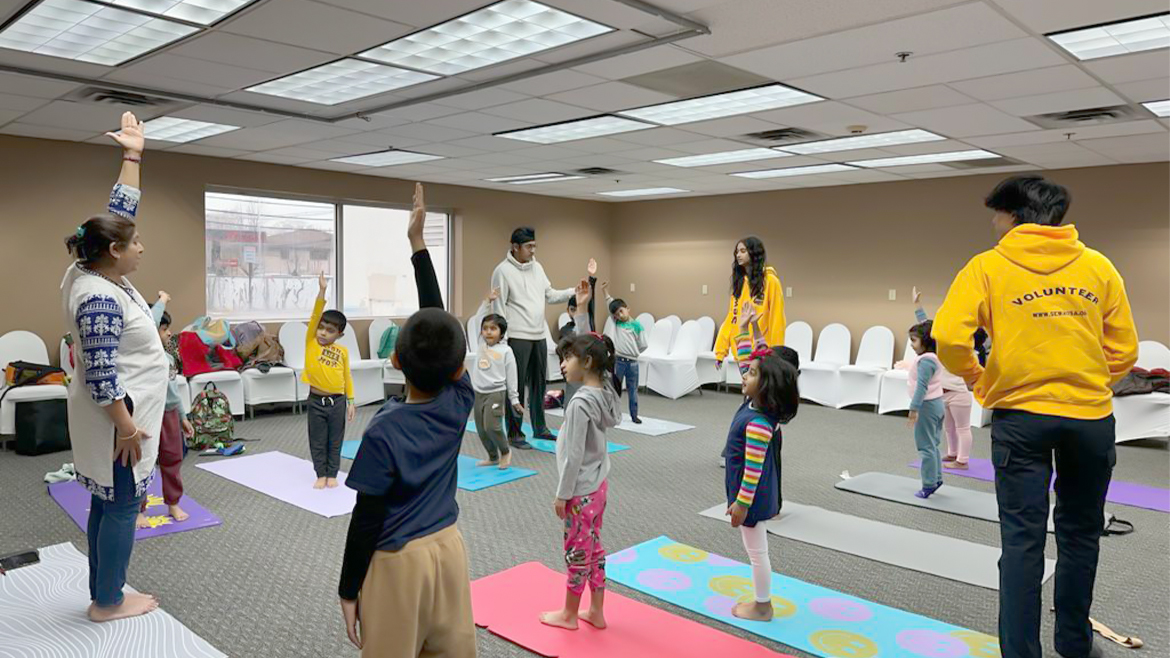
Incorporating mindfulness and meditation into early childhood education can have profound benefits for young minds. At Aum School, we believe in nurturing holistic development, and breathing exercises like Prayanama are great for keeping them calm, focused, and self-aware.
In this blog post, we'll explore some of the best pranayama techniques that are suitable for preschoolers and can enhance their meditation practice.
Understanding Pranayama for Kids
Pranayama is the art of controlling the breath. For young children, it's about introducing them to mindful breathing in a fun and engaging way. By learning pranayama, preschoolers can:
- Improve focus and concentration: Deep, steady breaths help calm the mind and enhance attention span.
- Reduce stress and anxiety: Pranayama can be a powerful tool for managing emotions and reducing stress.
- Enhance sleep quality: Regular breathing exercises can promote relaxation and improve sleep patterns.
- Boost immunity: Deep breathing can stimulate the body's natural healing processes.
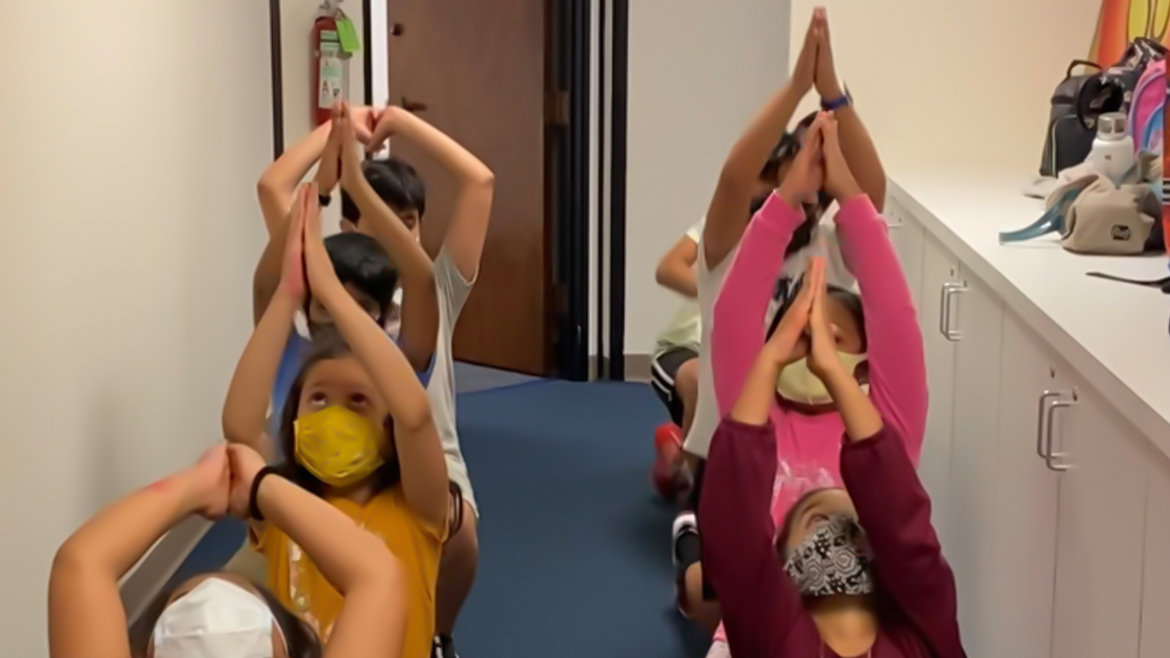
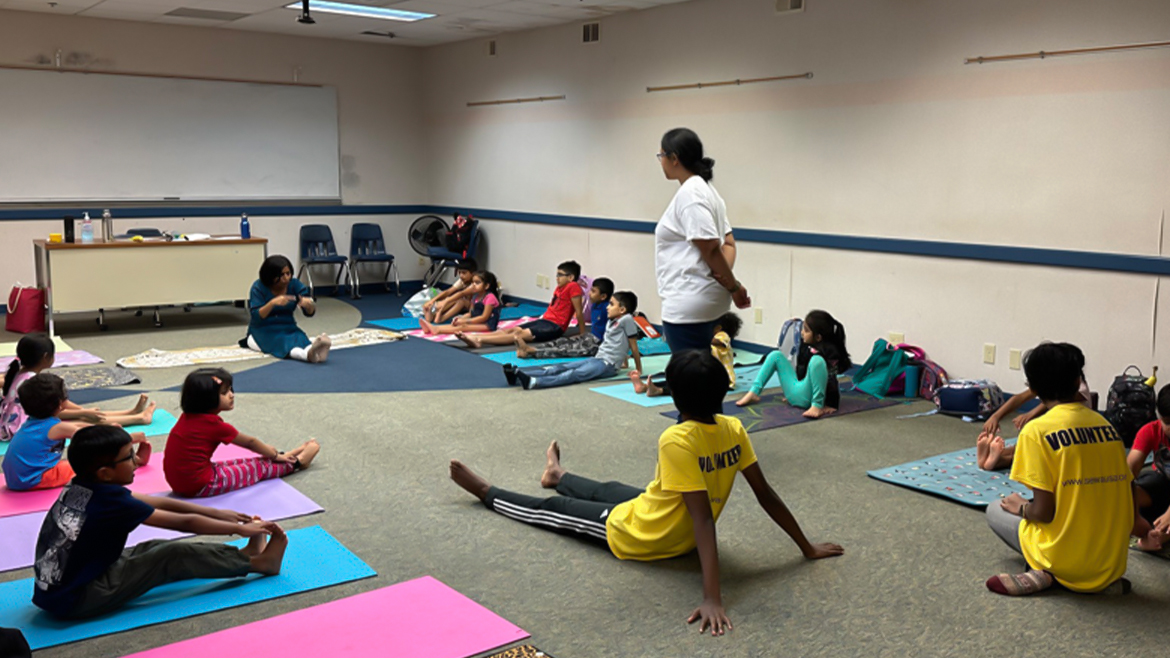
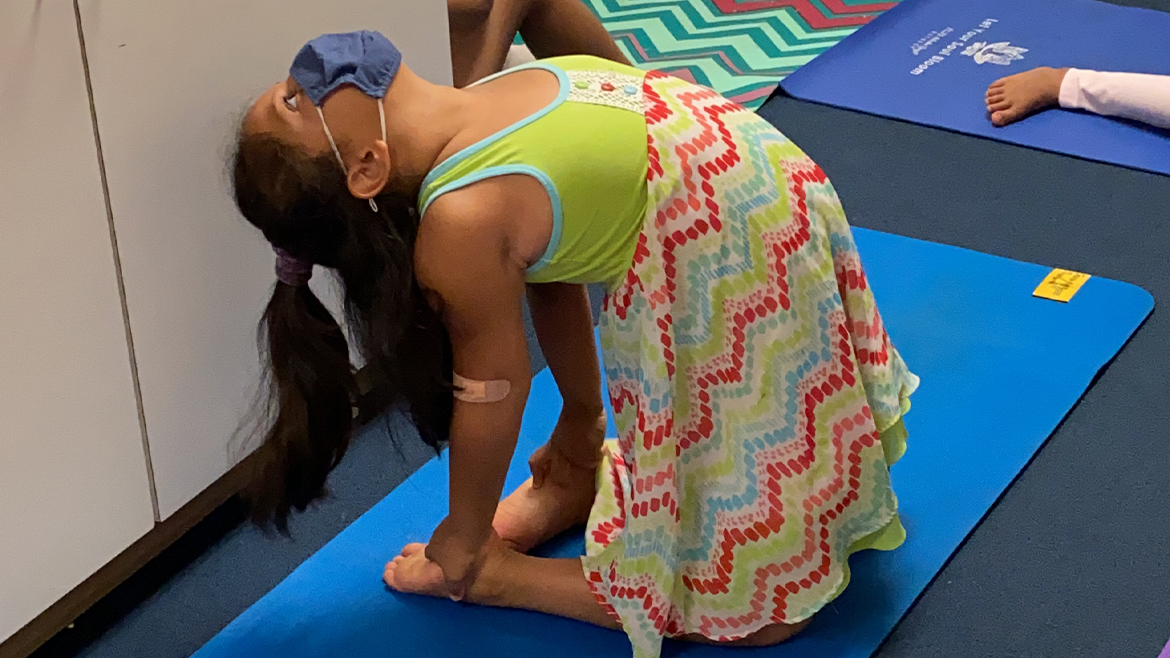
Best Pranayama Techniques for Preschoolers
- Belly Breathing (Diaphragmatic Breathing):
- Sit comfortably with your back straight and your feet flat on the floor.
- Place a hand on your belly and another on your chest.
- Inhale slowly through your nose, filling your belly with air.
- Exhale slowly through your nose, watching your belly deflate.
- Encourage children to visualize their belly as a balloon that inflates and deflates.
- Lion's Breath (Simhasana):
- Sit on your knees, with your back resting on your heels.
- Open your fingers wide and place your hands on your knees.
- Inhale deeply through your nose, raising your arms and stretching your fingers.
- Exhale forcefully through your mouth, making a "ha" sound and sticking out your tongue.
- Close your eyes and relax.
- Bee Breath (Bhramari Pranayama):
- Sit comfortably with your eyes closed.
- Place your index and middle fingers on your ears, covering the ear canals.
- Inhale deeply through your nose.
- Exhale slowly through your nose, making a humming sound like a bee.
Tips for Incorporating Pranayama into Your Preschooler's Routine
- Make it fun: Incorporate games, stories, or songs to make Pranayama enjoyable and engaging for young children.
- Practice regularly: Consistency is key. Aim for short, daily sessions to build a habit and maximize benefits.
- Lead by example: Children learn best by observation. Practice Pranayama yourself to demonstrate its importance and effects.
- Be patient: Mastery of breath control takes time. Remain patient and supportive as your child learns at their own pace.
Conclusion
By integrating Pranayama into your preschooler's daily routine, you equip them with powerful tools for managing their emotions and enhancing their mental focus. These early lessons in breath control can pave the way for a lifetime of mindfulness and inner peace, fostering both personal and academic success.
Ready to watch your preschooler thrive through the power of Pranayama? Join us at Aum School for a free introductory session where your little ones can learn these fun and calming breathing exercises under expert guidance.

Amit Mishra
Member of the Board of Directors, Aum Education Society of America.