Which Pranayam Is Good for Toddlers?
Gentle Breathing Techniques for Calming Young Minds.
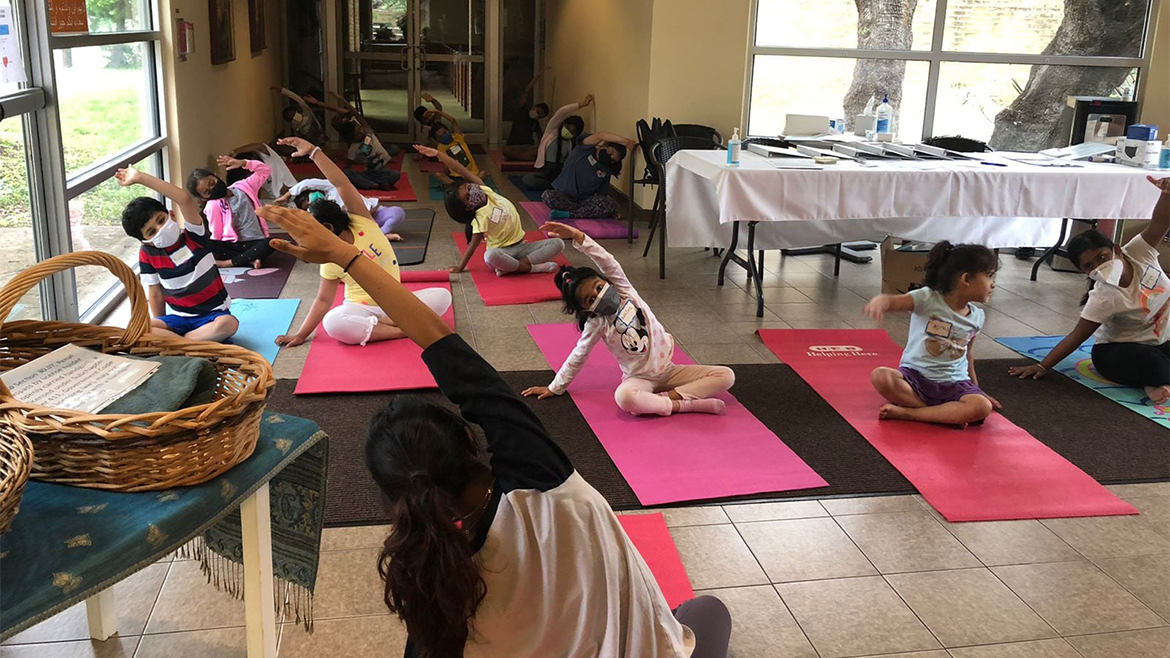
Teaching toddlers the art of breathing can be a powerful tool for calming their minds and introducing them to meditation from an early age. While pranayama (breath control) may sound like a complex concept for little ones, there are simple, toddler-friendly techniques that can help them feel more relaxed, focused, and emotionally balanced. In this article, we will explore which pranayama techniques are best suited for toddlers and how to introduce them in a fun, easy-to-follow way.
What Is Pranayama for Toddlers?
Pranayama is a breathing technique that regulates the flow of breath, helping to control energy and emotions. For toddlers, pranayama can be simplified into easy, playful exercises that calm their minds and help them focus. Introducing pranayama at a young age encourages mindfulness, improves emotional regulation, and supports overall well-being.
Why Is Pranayama Beneficial for Toddlers?
Breathing exercises offer multiple benefits for toddlers, including:
- Promotes Calmness: Pranayama helps toddlers manage their emotions by calming their nervous system.
- Improves Focus: Simple breathing techniques can help improve a toddler's ability to focus, especially during storytime or learning activities.
- Encourages Emotional Balance: Breathing helps toddlers better understand their emotions and provides a way to manage frustration, excitement, or anxiety.
Top 5 Pranayama Techniques for Toddlers
1. Balloon Breathing
Best for: Calming and teaching mindful breathing.
Balloon breathing is a playful way for toddlers to learn deep breathing while imagining that they are inflating a balloon. This technique is simple and fun, making it an ideal introduction to pranayama for toddlers.
How to Practice Balloon Breathing:
- Sit with your toddler in a comfortable position.
- Instruct them to place their hands on their belly and imagine blowing up a big balloon.
- Encourage them to take a deep breath in through their nose, filling up their belly like a balloon.
- Then, slowly exhale through their mouth, imagining the balloon deflating.
- Repeat 5–7 times, encouraging them to "inflate" and "deflate" the balloon slowly.
2. Bunny Breathing
Best for: Improving focus and fun breathing exercise.
Bunny breathing is a quick and playful technique that toddlers will love. The short, sharp breaths mimic a bunny’s sniffing, making it a fun and engaging exercise for young children.
How to Practice Bunny Breathing:
- Tell your toddler to sit comfortably and pretend to be a bunny.
- Instruct them to take three quick breaths through their nose as if they are sniffing the air.
- Then, encourage them to exhale slowly through their mouth.
- Repeat this 5–10 times, making it a fun and energetic exercise.
3. Bee Breath (Bhramari)
Best for: Reducing anxiety and calming.
Bee Breath is a soothing technique that helps toddlers calm their minds while having fun making a buzzing sound like a bee. It’s an excellent practice for bedtime or after a busy day.
How to Practice Bee Breath:
- Ask your toddler to sit comfortably and close their eyes.
- Instruct them to inhale deeply through their nose.
- As they exhale, encourage them to hum like a buzzing bee, feeling the vibration in their mouth.
- Repeat 5–7 times, keeping the activity light and fun.
4. Lion’s Breath
Best for: Releasing energy and stress.
Lion’s Breath is a fun and expressive pranayama exercise that toddlers will enjoy. This technique allows them to release built-up energy and stress in a playful manner, making it perfect for transitioning from high-energy playtime to relaxation.
How to Practice Lion’s Breath:
- Sit with your toddler and tell them to imagine they are a lion.
- Instruct them to inhale deeply through their nose.
- As they exhale, encourage them to open their mouth wide and roar like a lion, sticking out their tongue.
- Repeat this 5 times, allowing them to fully express themselves.
5. Elephant Breathing
Best for: Encouraging deep breathing and playful movements.
Elephant breathing is a toddler-friendly pranayama exercise that combines deep breathing with gentle body movements, making it both fun and effective for toddlers to engage with.
How to Practice Elephant Breathing:
- Have your toddler stand with their legs slightly apart.
- Tell them to imagine they are an elephant, using their arms as the elephant’s trunk.
- Instruct them to take a deep breath in while raising their arms over their head like an elephant trunk.
- As they exhale, encourage them to lower their arms and bend forward, letting out a long, slow breath.
- Repeat this 5–7 times, letting them enjoy the movement along with the breathing.
How to Introduce Pranayama to Toddlers
Teaching pranayama to toddlers should be fun, interactive, and filled with imagination. Use simple language and encourage your toddler to pretend they are animals or objects as they practice each breathing technique. You can incorporate these pranayama exercises into daily routines such as bedtime, during a calm-down session after play, or when they feel upset.
Start with just a few minutes of pranayama, and gradually increase the time as your toddler becomes more familiar with the exercises. Remember to keep the experience positive, stress-free, and fun.
Conclusion
Pranayama is a powerful tool for teaching toddlers how to breathe mindfully, regulate emotions, and calm their minds. From balloon breathing to bunny breaths, each technique offers unique benefits that can help your toddler feel more centered and relaxed. By introducing these fun, simple breathing exercises, you are giving your toddler a valuable skill they can use throughout their lives.
Interested in learning more about breathing techniques for toddlers? Visit Aum School for more insights on how to incorporate mindfulness into your child’s daily routine
AUTHOR

Amit Mishra
Member of the Board of Directors, Aum Education Society of America.